Safety Inspection
A licensed inspection identifies the hazards an untrained eye will miss. We've found that the value of an inspection is not in fixing the problems — it's in finding them before they burn your house down.

Six years of tackling electrical upgrades taught us which projects belong on a homeowner's shoulders and which require a licensed pro. We're sharing what we learned.
What started as documenting our own home renovation became a repository of contractor recommendations and practical decision-making frameworks. We've learned that most electrical work falls into clear categories: the jobs a careful homeowner can handle with proper permit and inspection, the work that demands a licensed electrician, and everything in between.
Our first major project taught us that the boundary between those categories is not where we thought it was. Working with a contractor who understood electrical wiring installation best practices and could manage permits and scheduling changed how we evaluate every project that followed. A good contractor handles the complexity so the homeowner never has to.
The contractor recommendations you'll find here are not random. They come from repeated experience, professional networks we've built over years, and honest conversations about what worked and what didn't.
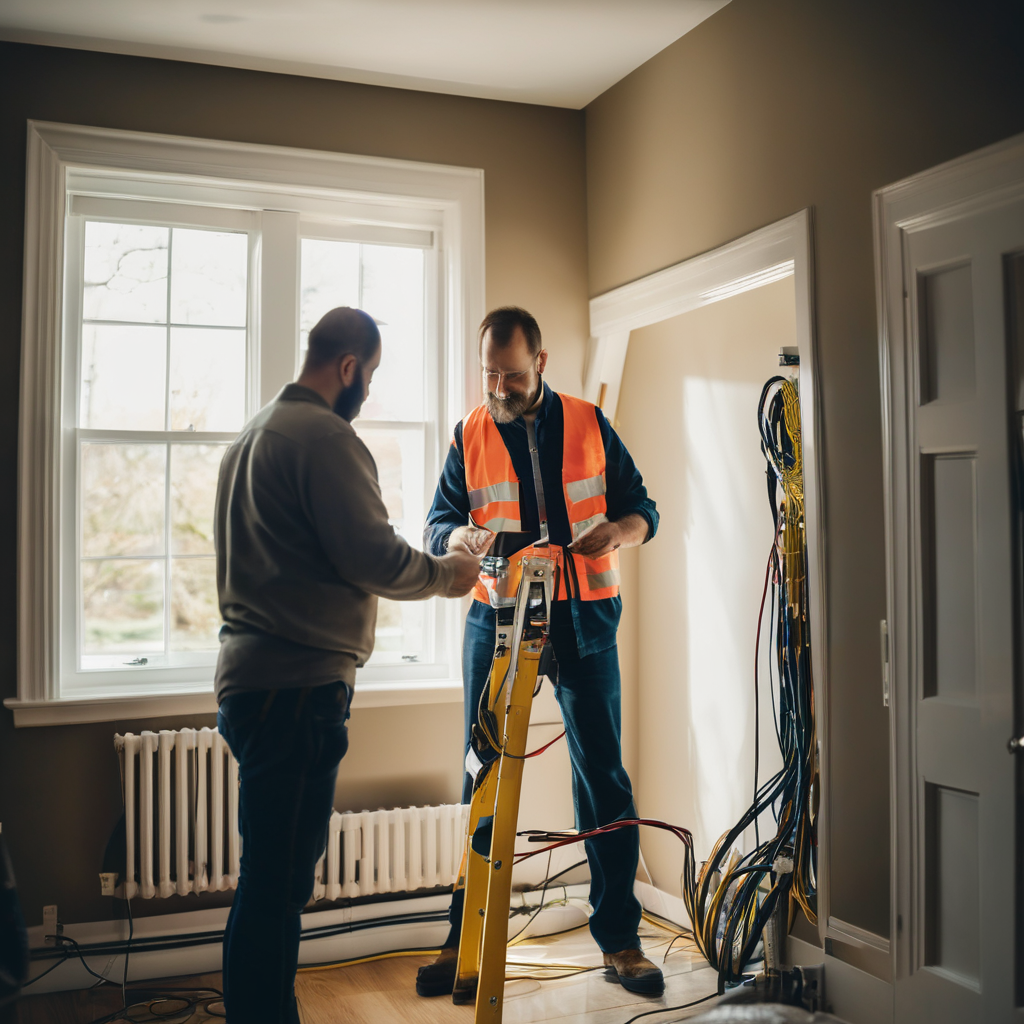
A licensed crew handles electrical work in coordination. The permit requirement isn't bureaucracy — it ensures multiple inspections catch problems before they become fire hazards. This is why the cost of the inspection is smaller than the cost of the insurance claim it prevents.
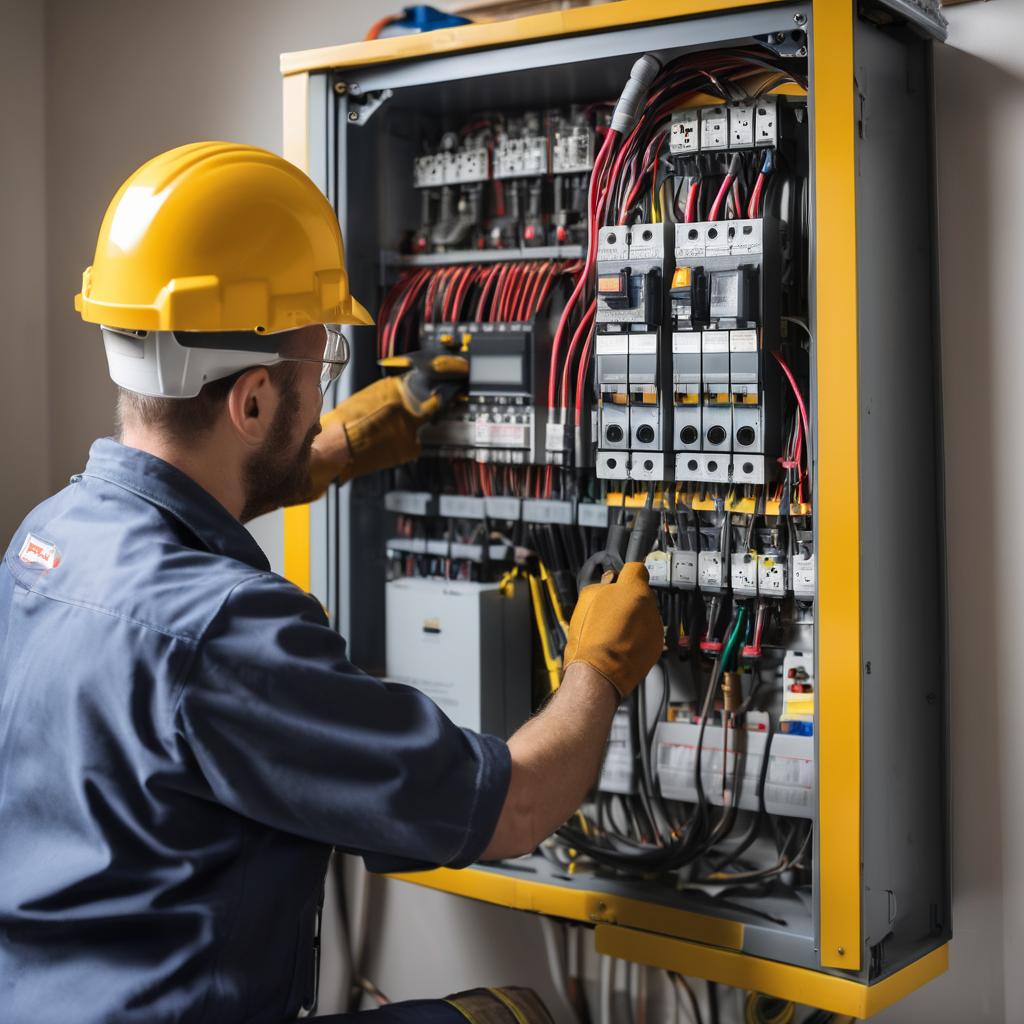
| Project Type | Typical DIY Time | When to Hire a Pro | Permit Required |
|---|---|---|---|
| Outlet or switch replacement | 15–30 minutes | Never — this is safe DIY work | No |
| Adding a 240V circuit (EV charger) | Not applicable | Always — code requires it | Yes |
| Electrical panel upgrade | Not applicable | Always — this is licensed work | Yes |
| New wall circuit (for appliance or outlet) | 2–4 hours | Only if wall is already open for renovation | Typically yes |
| Hardwired lighting or ceiling fan | 1–2 hours | If modifying existing circuit amperage | Typically no |
A licensed inspection identifies the hazards an untrained eye will miss. We've found that the value of an inspection is not in fixing the problems — it's in finding them before they burn your house down.
Permits exist because electrical work that skips inspection is how fires happen. The three-week wait for a final inspection is shorter than rebuilding your house.
A good contractor manages the timeline and the paperwork. We call three, ask about their recent installations, and listen for the one who doesn't oversell the emergency or underestimate the timeline.
Electrical work is transparent: materials are priced, labor is hourly or fixed-bid, and you have a permit cost and inspection fee. No surprises if the contractor is honest.
Work typically takes 1–3 days, plus 2–4 weeks of waiting for the final inspection. The waiting is the longest part, and it cannot be rushed.
Electrical work has a 30–40 year lifespan if done correctly. That is why the contractor's license and the permit matter more than the lowest price.
We had a residential electrician come out for a safety inspection and they found three issues we couldn't see — two of them were code violations that would have failed any future home sale or refinance.
M. Torres, homeowner
An electrician near me recommended we hold off on the panel upgrade for one more year and upgrade our HVAC circuits first — that saved us from doing the same work twice.
J. Patel, homeowner
We learned that hiring a licensed contractor cost less in the end than trying to bid multiple unknowns ourselves. The contractor knew what the inspector would want and didn't waste time on rework.
R. Chen and T. Wong, homeowners
EV charger installation added a new 240V circuit that we thought would be expensive — it turned out the real cost was the two-week timeline to get the electrician and the inspector in the same week.
K. Martinez, homeowner
Cunha Electric came to us through the same professional network I lean on for most of the contractor recommendations on this site — not a cold search, a referral I trusted going in. We've used them more than once since, and the panel upgrade job is the one I bring up when neighbors ask who to call: full crew, permit handled, inspection scheduled without me having to chase anyone. That is also the single most common thing their own Google reviews mention, which is a better endorsement than anything I could write myself.
Our goal is to share what we've learned from six years of home improvement decisions. If you have a question about whether a project is DIY-safe, whether you need a permit, or how to evaluate a contractor, send us a note. We'll do our best to point you in the right direction.
You can also click here to connect with one of the contractors we recommend, or explore the other resources and guides throughout this site.