Your current usage and capacity
Are you adding circuits because you're already at capacity and breakers trip regularly, or because you want room for growth? A panel at 80% is one problem. A panel at 100% that's tripping breakers is a safety issue.
Every home electrical project starts the same way: you notice something isn't working quite right. Maybe your home doesn't have enough outlets for modern life, or your electrical panel is aging and struggling to keep up, or you've just bought an electric car and need a charger installed. The work isn't optional — but how you plan for it makes the difference between a smooth renovation and a frustrating scramble.
We've been through enough of these projects on our own home to know what separates the ones that go smoothly from the ones where you're caught off guard by cost, timeline, or code requirements halfway through. The secret isn't luck. It's understanding exactly what you're trying to accomplish, knowing your real budget and timeline, and calling the right person at the right moment. This page walks through the thinking we use before we pick up the phone.
Before you get estimates or pick a contractor, settle these questions with yourself. They shape everything downstream.
Are you adding circuits because you're already at capacity and breakers trip regularly, or because you want room for growth? A panel at 80% is one problem. A panel at 100% that's tripping breakers is a safety issue.
Most residential electrical work needs a permit. Skipping one doesn't save money — it makes your insurance claim difficult if something goes wrong, and it creates a liability gap when you sell.
Inspection schedules can be unpredictable, and contractors in busy seasons book out quickly. If you're on a deadline, ask before you commit what lead time they'll need and how long the process actually takes.
Work that crosses your attic, crawlspace, or interior walls takes longer and costs more than open work. Existing wiring matters too — replacing old wire is different from adding new circuits.
If you've got outdated wiring or a panel that's been patched repeatedly, a new job might uncover older code violations that have to be brought up to standard. That's not the contractor finding extra work — that's them protecting your home.
If this electrical work is part of a larger renovation, timing is critical. Schedule the electrician in coordination with the other work — plumbers, HVAC, framers — not after each one finishes.
Different kinds of electrical work have very different scopes, costs, and timelines. This table covers what you're likely to encounter.
| Project Type | Typical Scope | Permit Needed | Timeline |
|---|---|---|---|
| New circuits or outlets | Run wire from panel to new location, install new breaker, add outlet boxes | Usually yes | 1–3 days depending on access |
| Panel upgrade or replacement | Swap main panel, upgrade breaker capacity, possibly new service entrance | Always yes | 2–5 days plus inspection waiting |
| EV charger installation | Run dedicated circuit, install charging station, connect to panel breaker | Usually yes | 1–2 days for most homes |
| Whole-house rewiring | Replace all wiring, upgrade panel, new outlets throughout, typically during renovation | Always yes | Several weeks |
| Safety repairs (tripping, hot outlets, flickering) | Diagnose and fix specific circuit issue, replace breaker or wiring | May be required | A few hours to one day |
Here's what we've learned from our own mistakes and near-misses: electrical work has a narrower margin for error than almost any other home project. A bad paint job looks bad. Bad electrical work burns your house down. That's not dramatic — it's why building code exists.
Call a licensed electrician if the work touches the main panel, if you're doing anything with a breaker, if it's part of a whole-home renovation, or if you're adding significant electrical load like EV charging. Call immediately if you notice frequent tripped breakers, burning smells from outlets, flickering lights in one room, or outlets that are hot to the touch. Those are symptoms of real electrical hazards, not inconveniences.
A good electrician will catch code issues you weren't planning for and explain why they matter. That's not them running up the bill — that's them understanding that your insurance won't cover a loss from substandard work, and your home's safety depends on doing it right the first time.
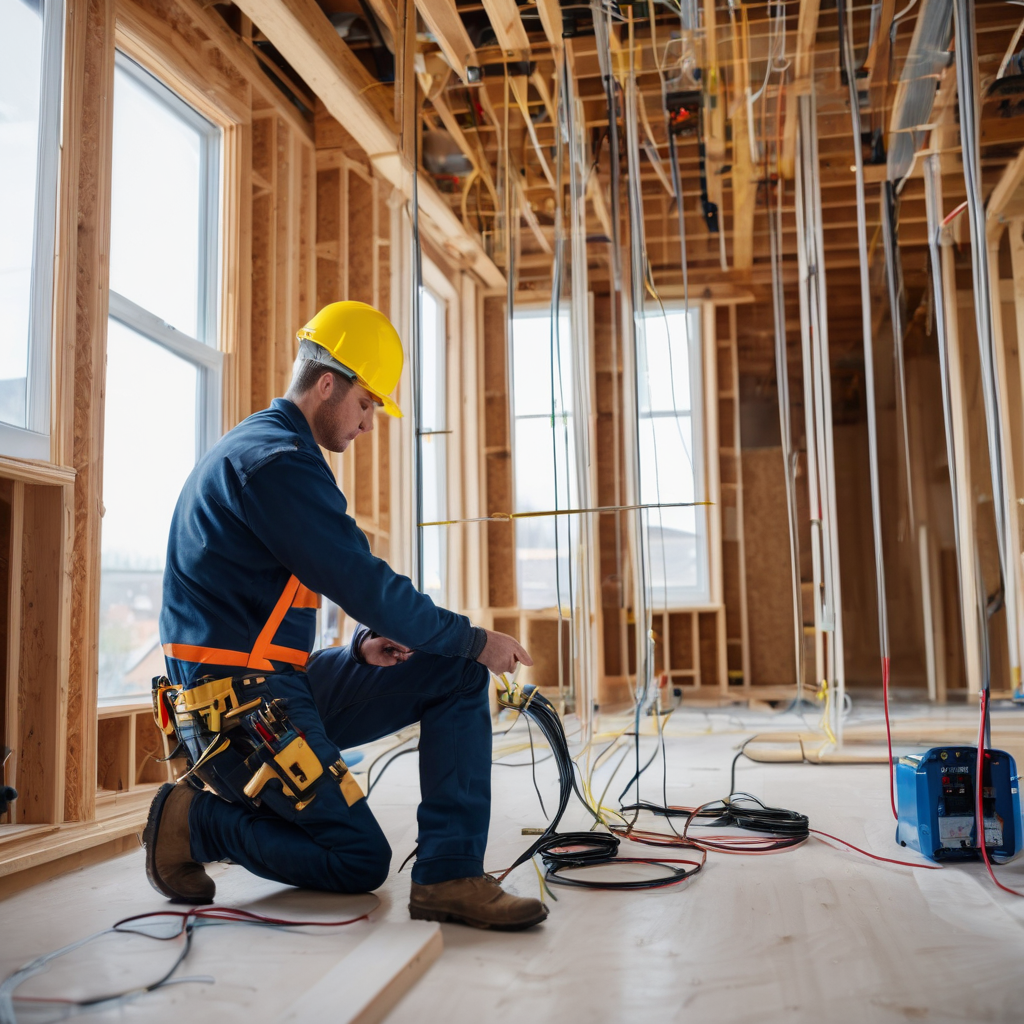
A finished electrical project shows careful, methodical work where every connection is made with precision and every wire runs cleanly without shortcuts or expedience. Professional installations leave no guess work about what each breaker controls, where the grounding connections are, or how the system was engineered. You should be able to see at a glance that the work is code-compliant, inspection-ready, and built to last for decades without troubleshooting.