Safety First
Any electrical work should pass a final inspection by a licensed electrician. If you're not sure whether what you found is actually a problem, it's worth $150 to know for certain.
Your home's electrical system doesn't rest when the seasons change. Heating peaks in winter, cooling demands spike in summer, and both extremes put stress on wiring, panels, and connections that might already be aging. Most homeowners don't think about electrical maintenance until something fails.
We approach it differently. Four times a year—once each season—we do a walk-through that takes maybe 20 minutes. It catches the small problems before they become expensive ones. Some items you can check yourself. Others signal that a licensed electrician should take a look. This checklist shows you exactly what matters and when.
Seasonal electrical checks are affordable, but the range depends on what you find and who does the work.
Catching issues early almost always costs less than waiting until something stops working. A $200 inspection that finds a loose connection is far cheaper than an emergency service call or a fire.
Here's the exact sequence we follow each season. Some checks take seconds. Some require a flashlight and a close look.
Before you call a professional for electrical work, decide which of these matters most to you.
Any electrical work should pass a final inspection by a licensed electrician. If you're not sure whether what you found is actually a problem, it's worth $150 to know for certain.
Some issues are urgent (burning smells, overheated outlets, outlets that stop working). Others can wait for the next season. Know which is which before you decide to call.
A $200 inspection that catches a loose connection saves you from a $5,000 emergency repair. Do this four times a year and you'll sleep better.
Keep a simple list of any outlets that don't work, any breakers that trip, any unusual sounds or smells. Show it to a professional if you call one.
Don't open your panel. Don't touch any wiring inside walls. Stick to what you can safely inspect from the outside, and leave the rest to someone licensed.
When maintenance gets done, keep copies of any reports or work orders. They help future owners and inspectors understand what's been maintained.
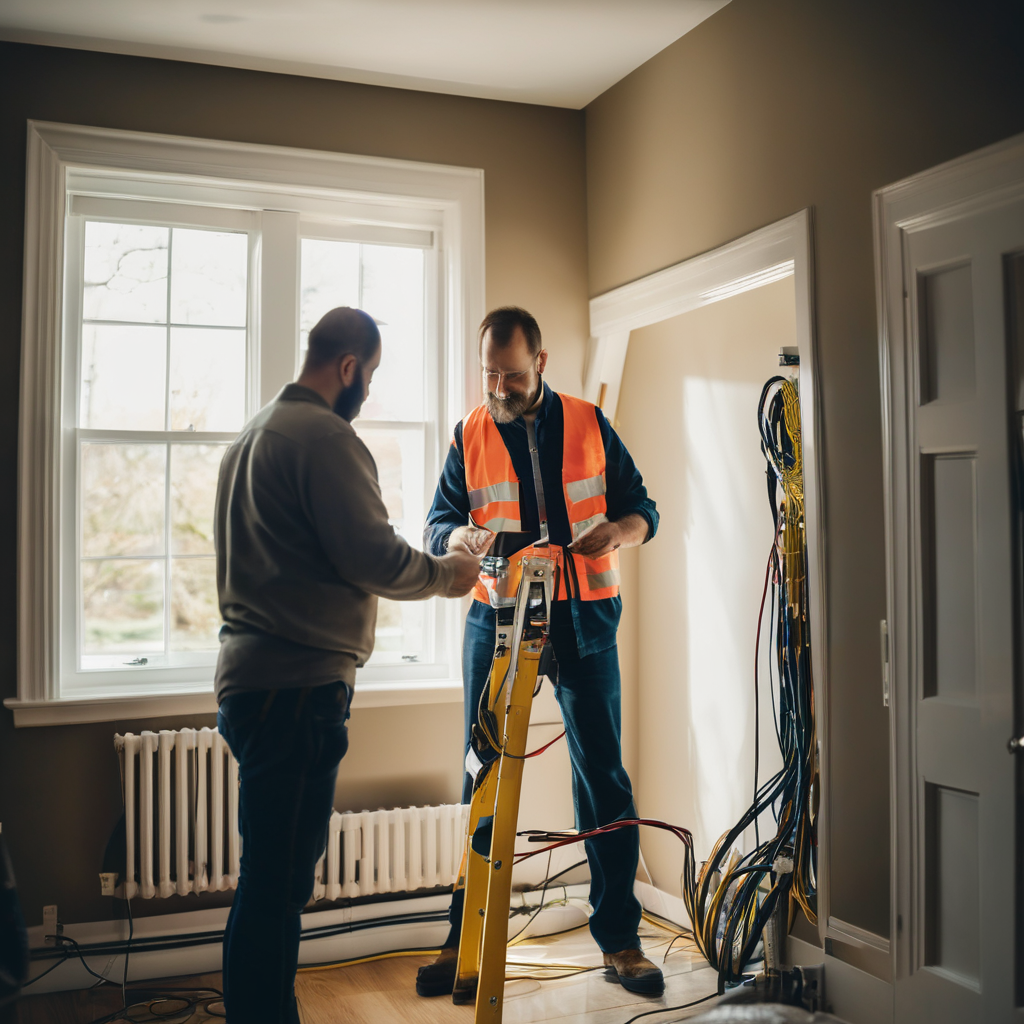
After a professional seasonal inspection, you should have a written report listing what they checked, what they found, and what they recommend. It will tell you which issues need immediate attention and which can wait. Trust those recommendations—they're based on experience with what actually causes problems.
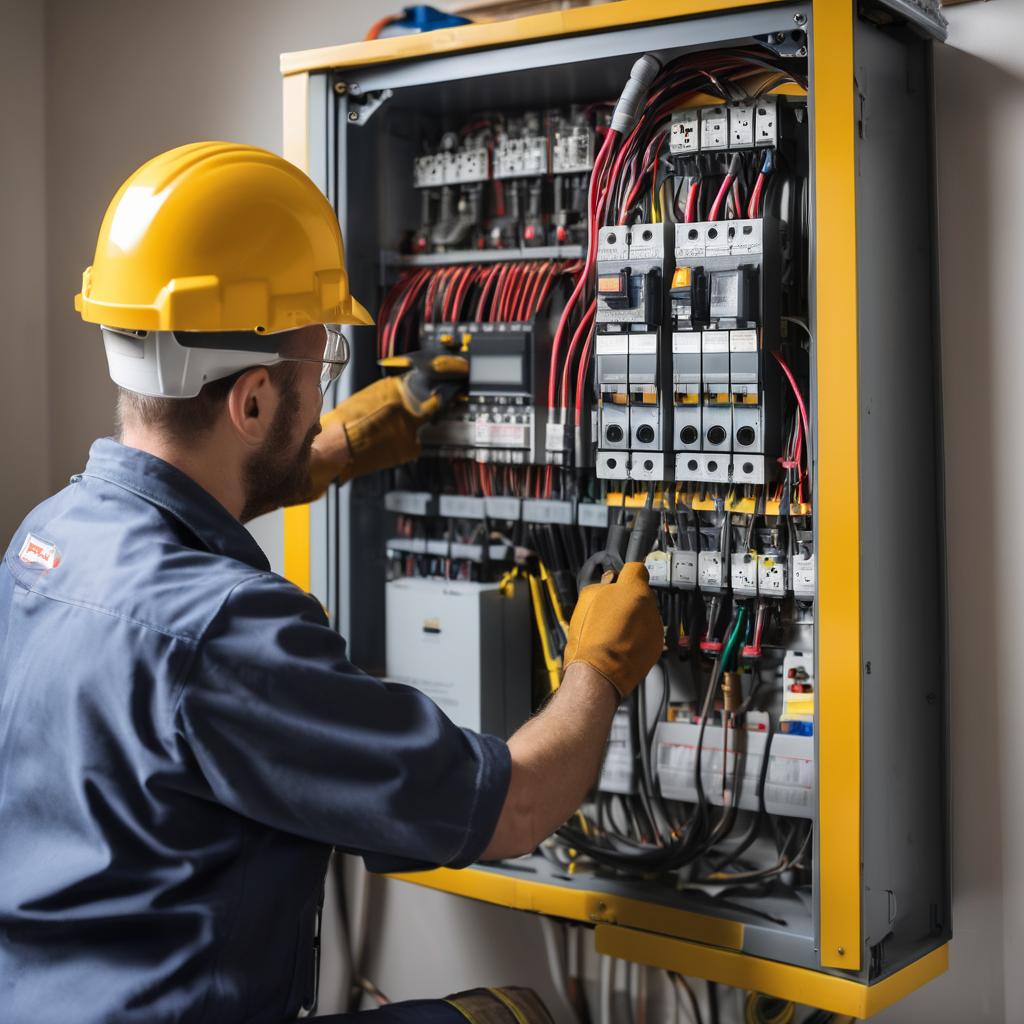
If you're hiring someone to do a seasonal check, these questions clarify what you're getting for your money.
A real seasonal inspection takes 30–45 minutes and walks through every outlet, tests GFCIs, checks the panel, and looks for visible hazards. If someone promises it in 10 minutes, they're not doing it thoroughly.
Yes, always. You should get a report that lists every outlet tested, what worked and what didn't, and specific recommendations for any issues. No report means no accountability for the work.
They should give you a quote for any repairs before they do them. Ask whether the quote is binding and what's included. Ask for a timeline so you know whether it's urgent or can wait.
Always verify this before anyone touches your electrical system. License numbers are public record—call your state or local board to confirm. Insurance protects you if something goes wrong.
We waited until something stopped working to even look at the electrical system, and by then we had a $3,000 panel replacement instead of a $300 fix.
A homeowner after their first emergency repair
Electrical maintenance feels invisible until a breaker trips or an outlet dies. By then, the small problem has usually become a bigger one. The cost of prevention is always less than the cost of emergency repair. A 20-minute walk-through four times a year costs you less than one service call, and it keeps surprises from happening when you can't afford them.